
Search
Price Range

Investor

Investing in Short-Term Rentals in Australia What to Consider

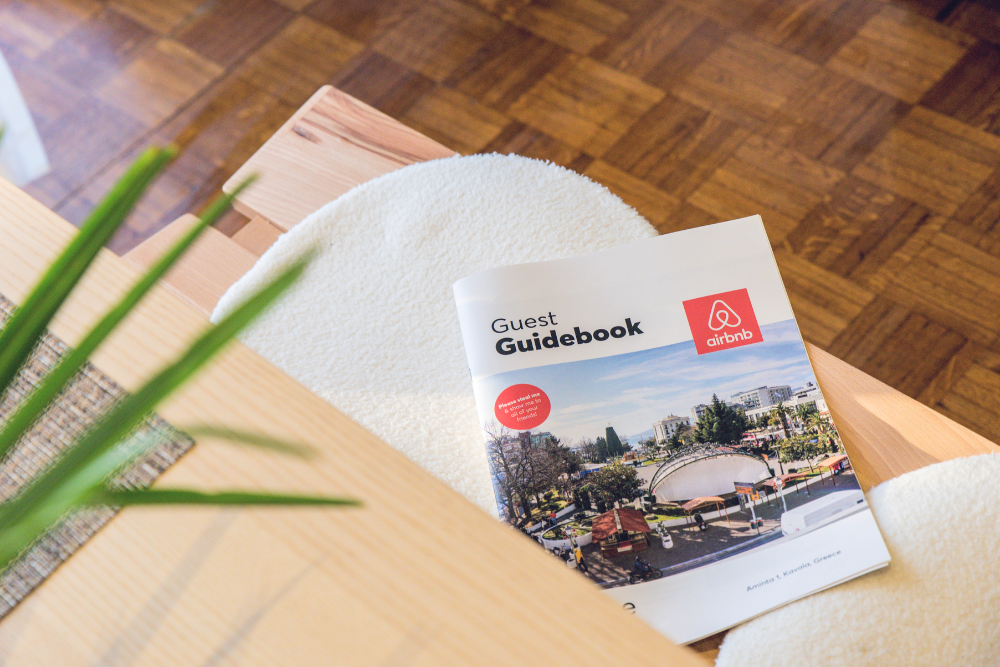
Short-term rentals have become an increasingly popular option for property investors across Australia. Platforms such as Airbnb and Stayz can offer the potential for higher rental income, particularly in tourism hotspots, coastal areas and major cities. However, while the returns can be attractive, short-term accommodation also comes with additional costs, responsibilities and regulations that investors...


Tourism Trends and Their Impact on Property Investment

Tourism plays an important role in many Australian property markets, particularly in coastal, regional and lifestyle destinations. For property investors, changes in visitor numbers can influence rental demand, vacancy rates and the types of accommodation people are looking for. Understanding tourism trends can help investors identify areas where demand may be strengthening and assess whether a property is...

Choosing the Right Suburb for Investment

Choosing the right suburb can have a major impact on the success of a property investment. While some areas experience steady growth, others can see significant increases in demand and value. Before purchasing, it is important to look beyond appearances and assess the fundamentals. Start With the Numbers Start with vacancy rates, rental yields, recent sales activity, days on market and historical price...

Have You Reviewed Your Investment Property Insurance Recently?

Owning an investment property comes with risks, but the right insurance can help protect your asset, income, and long-term returns. Reviewing your coverage regularly ensures you're prepared for unexpected events and costly setbacks. Key Insurance Policies to Consider A comprehensive insurance strategy should include building insurance to cover structural damage, landlord insurance to protect against...

How to Prepare for a Property Auction

Buying a property at auction can be fast-paced and competitive, but careful preparation can help investors make confident and informed decisions. The key is to know the property, understand the process and set clear limits before bidding. Understand the Auction Process Before auction day, understand the terms and conditions of the sale. In Australia, an auction purchase is generally binding once the...

Property Improvements That Can Maximise Your Rental Return

When improving a rental property, the goal should be to spend money where it will make the greatest difference. The most valuable upgrades are not always the most expensive or visually impressive. In many cases, practical improvements that increase comfort, reduce maintenance and make the property more appealing to tenants can deliver a stronger return over time. For investors, the right improvements may...

How Property Staging Can Help You Lease Your Rental Faster

In today's competitive rental market, presentation plays a key role in attracting prospective tenants. Property staging is a simple yet effective way to showcase your home's best features, generate more enquiries, and encourage quality tenants to choose your property. Rather than creating a showroom, the goal is to help renters picture themselves feeling at home from the moment they see your...

Effective Strategies for Managing Multiple Investment Properties

Managing a portfolio of investment properties can quickly become time-consuming without the right processes in place. Fortunately, modern property management tools and streamlined systems can help investors stay organised, reduce administrative workload, and maximise returns. Use Property Management Platforms to Stay Organised A reliable property management platform is one of the most valuable tools...

Dealing with Property Depreciation

Property depreciation offers a valuable tax advantage for investors. It refers to the gradual wear and tear of a property’s structure and its assets over time. To account for this, the Australian Taxation Office (ATO) allows investors to claim depreciation as a tax deduction, which helps reduce taxable income and boost overall returns. Understanding Property Depreciation There are two key types of...

Owning an Investment Property: Choosing Between Self-Management and a Property Manager

When it comes to managing an investment property, landlords face a key decision: take on the responsibility themselves or engage a professional property manager. Each path offers distinct advantages and drawbacks, depending on factors like cost, time, and expertise. 1. Cost Handling the property yourself can save money by avoiding management fees, which typically sit between 7–10% of the rental...